
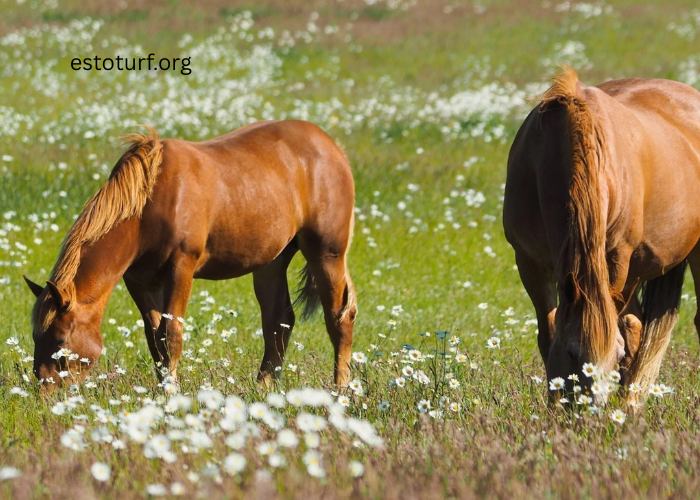
If you have spent any amount of time around horse properties, you know exactly what the “standard” pasture often looks like. Usually, it’s a large square of land where the horses are turned out all day, every day. Over time, that land starts to look a little sad. You get those areas where the grass is eaten down to the dirt because horses are notoriously picky eaters, and then you have the tall, weedy patches they won’t touch. It’s a cycle that leads to dusty summers, muddy winters, and a lot of money spent on hay. But there is a different way to manage land that’s gaining a lot of traction lately, and it’s called regenerative grazing. It sounds a bit fancy, but honestly, it’s just a way of working with nature instead of fighting against it.
Healing the soil from the bottom up
The core idea of regenerative grazing is all about the health of the soil. We often forget that the grass we see on top is only half the story. The real magic happens underground. In a typical horse pasture, the soil gets compacted by those heavy hooves, which makes it hard for water to soak in and for roots to grow deep. Regenerative grazing changes this by using a system of planned rotation. Instead of letting horses roam a huge area, you move them through smaller paddocks frequently.
When horses graze an area intensely for a short time and then move on, it gives the plants a chance to actually recover. Those roots can push deeper into the earth, which helps break up that hard packed dirt. This creates a sponge like effect in the ground. When it rains, the water actually stays in your field instead of running off into the driveway. It is amazing how much faster a pasture can bounce back when you stop treating it like a lawn and start treating it like a living ecosystem.
Better nutrition for your horses
One of the biggest perks of this method is the quality of the forage. Horses are “selective grazers,” which is just a polite way of saying they are bratty about what they eat. If left to their own devices, they will eat their favorite grasses over and over until the plant dies, while leaving the weeds to take over the rest of the field. By rotating them through smaller sections, you encourage them to eat a wider variety of plants.This variety is great for their gut health. Different plants pull up different minerals from deep in the soil.
When your horses have access to a diverse “salad bar” of grasses and legumes, they are getting a much more balanced diet than they would on a monoculture field. You might even find that you don’t need to buy as many expensive supplements because they are getting what they need right from the ground. Plus, it’s just more interesting for them. A horse that has fresh ground to explore every few days is usually a much happier, less bored animal.
Breaking the parasite cycle naturally
This is a huge one that doesn’t get talked about enough. Most horse owners from observateur du turf vip are constantly battling internal parasites with chemical dewormers. The problem is that in a permanent pasture, horses are constantly grazing right next to their own manure, which is where the parasite larvae hang out. It’s a never ending loop of reinfection.
With regenerative grazing, you move the horses away from those larvae before they have a chance to hatch and become infectious. By the time the horses return to that specific patch of land weeks or months later, the parasite population has largely died off because they didn’t have a host. It is a much more natural way to keep your herd healthy. Of course, you still need to keep an eye on things, but reducing the chemical load on both the horse and the land is a massive win in my book.
Saving money on the feed bill
Let’s be real for a second; horses are expensive. One of the biggest drains on a farm budget is hay. Most people have to start feeding hay the second the frost hits because their pastures are already overgrazed and dormant. However, regenerative managers often find they can extend their grazing season by weeks or even months.Because the grass is healthier and the roots are deeper, the plants stay green longer into the autumn and start growing earlier in the spring. Some people even manage to “stockpile” grass for the winter, allowing the horses to graze through the snow. Every day your horse is eating off the land is a day you aren’t throwing expensive square bales over the fence. Over a few years, those savings really start to add up, and the system basically pays for itself in the form of lower feed and fertilizer costs.
A more resilient farm for the future
We are seeing more extreme weather these days, whether it’s long droughts or sudden heavy downpours. A farm managed with regenerative principles is much better equipped to handle these swings. During a dry spell, those deep roots I mentioned earlier can still find moisture deep in the ground, keeping the grass alive while the neighbor’s field turns brown.
During a flood, the healthy soil structure prevents your topsoil from washing away.It takes a bit more effort in the beginning to set up the fencing and get into a rhythm of moving the horses, but the peace of mind is worth it. You’ll start to see more birds, more beneficial insects, and a much more vibrant landscape. It’s a satisfying feeling to look out and see a sea of green, knowing that you are making the land better for the next generation.
Turning the plan into action
You don’t have to transform your whole farm overnight. You can start small by just splitting one big field in half with some temporary electric tape. Observe how the grass grows back when the horses are off it. It’s a learning process, and every piece of land is different. You’ll make some mistakes, sure, but the soil is very forgiving if you give it a chance to rest. In the end, regenerative grazing isn’t just about the grass. It’s about building a sustainable lifestyle where your horses thrive and your land remains productive for years to come. It’s a win for the environment, a win for your wallet, and most importantly, a win for the horses we love so much. Seeing them trot onto a fresh, lush piece of ground is a sight that never gets old.
 Michael K