
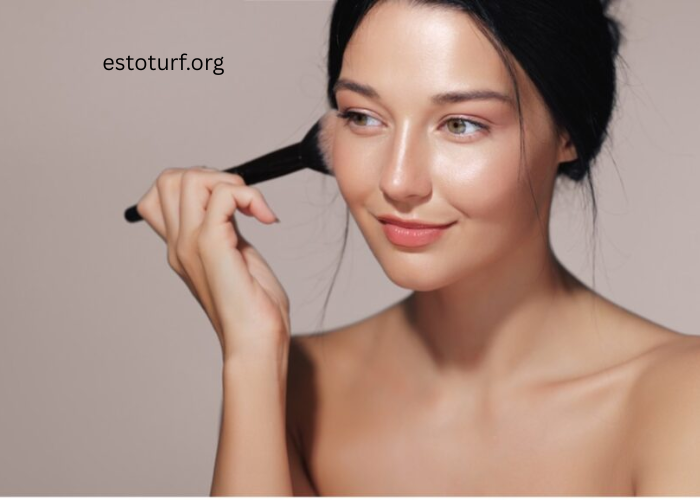
Remember the days when beauty influencing was basically just someone sitting in front of a ring light with a massive haul of colorful eyeshadow palettes? It was all about the “glam” and those sharp winged liners that most of us could never actually recreate at home. Well, things have changed quite a bit lately. By the time we hit 2026, the vibe has shifted away from just looking pretty for the camera. Now, it is all about what is actually inside the bottle and who the products are really made for. We’ve entered a new era that I like to call Beauty Influencing 2.0. It is a world where being “pretty” is secondary to being informed and being kind to your skin.
The Rise of the Skin Intellectual
A few years ago, most of us didn’t know the difference between a serum and a toner, let alone what an active ingredient was. But today, if you scroll through your feed, you’ll see creators talking about things like molecular weight and skin barrier health. It is pretty impressive. These new influencers aren’t just swatching lipsticks on their arms. They’re basically amateur chemists who explain how different acids interact with your skin.
People are tired of being sold “miracle” creams that don’t actually do anything. We want to know why a product works. Is the Vitamin C stabilized? What is the percentage of niacinamide? This shift toward science has forced brands to be way more transparent. You can’t just put a pretty label on a jar of basic moisturizer anymore and charge eighty dollars for it. The audience is way too smart for that now. Influencers who can break down a complex ingredient list into simple English are the ones who are really winning the trust of their followers.
Moving Beyond One Size Fits All
Inclusion used to be a bit of a buzzword that brands used once a year during a campaign, but now it is the baseline. If a foundation line comes out and it doesn’t have at least fifty shades that actually account for different undertones, the internet will let them know immediately. Beauty Influencing 2.0 has really championed the idea that everyone deserves to see themselves represented in the beauty aisle.
It isn’t just about skin color though. Inclusion now covers things like age, gender, and skin conditions that used to be hidden behind filters. You’ll see influencers proudly showing off their acne, their rosacea, or their wrinkles without trying to blur them into oblivion. It makes the whole experience feel so much more relatable. When I see someone with real skin texture testing a product, I’m much more likely to believe their review. It feels like we are finally moving away from that “poreless” alien look that dominated the early 2020s.
The Science of Every Skin Type
Because we are focusing more on science, we are also learning that different skin types and ethnicities have very specific needs. For a long time, the industry was very Eurocentric. But now, influencers are highlighting how certain ingredients might react differently on melanin rich skin. For example, some treatments for hyperpigmentation can be too harsh like jameliz smith or even cause more damage if not formulated correctly for darker tones.
This is where the inclusion and science parts of the new beauty world really overlap. Creators are educating their communities on what to look for based on their specific heritage and environment. It is a much more personalized approach to beauty. You’re not just buying a product because it’s popular; you’re buying it because you understand how it interacts with your unique biology. It feels a lot more empowering to shop this way.
Authenticity is the New Aesthetic
The “perfect” aesthetic is honestly kind of exhausting to maintain. I think that is why people have flocked toward these more educational and inclusive creators. There is a certain level of honesty that comes with talking about science. Facts don’t really care about filters. If a product has a bad formula, it’s going to get called out, no matter how cute the packaging is.
Influencers are also becoming more vocal about “de-influencing.” They will tell you what not to buy, which is a huge shift from the early days where everything was a “holy grail” product. This honesty builds a much stronger bond between the creator and the viewer. You start to feel like you’re getting advice from a knowledgeable friend rather than a salesperson. It’s a much more sustainable way to engage with social media.
The Future of the Beauty Community
As we look further into 2026 and beyond, I don’t see us going back to the old ways. The focus on skincare science and true inclusion has changed our expectations for good. We want products that are backed by data and stories that reflect the real world. The beauty community has become a place of learning and advocacy as much as it is a place for makeup.
It is an exciting time to be a consumer. We have more information at our fingertips than ever before. While the world of beauty influencing will surely keep evolving, the core values of transparency and representation are here to stay. Whether you are a skincare nerd or someone who just wants a decent sunscreen that doesn’t leave a white cast, the new era of beauty has your back.
Why This Change Matters
At the end of the day, beauty is about feeling comfortable in your own skin. By focusing on the science of how skin actually works and making sure everyone is invited to the conversation, we are making the world a slightly better place. It takes the pressure off of being perfect and puts the focus on health and happiness. And honestly, isn’t that what beauty should have been about all along? It’s a refreshing change of pace and I am definitely here for it.