
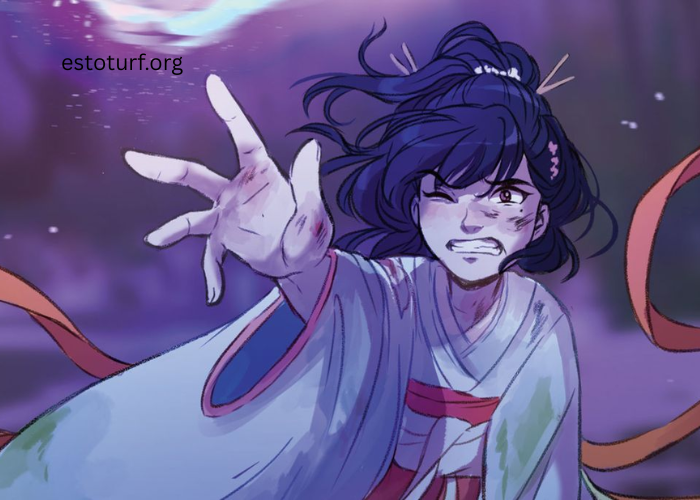
If you’ve ever spent an hour just staring at a single page of a manga, you know exactly what I’m talking about. Some artists don’t just tell a story; they build entire worlds with a pen and a bottle of ink. It’s one thing to have a great plot, but when the art is so detailed that it feels like you can reach out and touch the textures of the stone or the fabric of a character’s cloak, that is something special.
Over the years, I’ve found that the series which stick with me the most aren’t always the ones with the flashiest fights. Instead, they are the ones where the artist clearly labored over every single line. If you’re looking for some eye candy that will make you appreciate the sheer craftsmanship of the medium, here are ten manga that are absolutely legendary for their intricate artwork.
The Epic Detail of Berserk
It is impossible to talk about detailed art without starting with the late Kentaro Miura’s masterpiece, Berserk. There is a reason this series is often cited as the gold standard. Whether it is a massive, horrifying apostle or the intricate plates of Guts’ armor, the level of cross hatching and shading is just mind blowing. You can feel the weight of every swing of the Dragon Slayer. Miura had this incredible ability to make a dark fantasy world feel both gritty and grand at the same time. Every panel feels like it belongs in an art gallery.
The Breathless Scenery of Vagabond
Takehiko Inoue is a master, plain and simple. In Vagabond, he famously moved from using traditional pens to brushes, and the result is stunning. The way he draws hair, water, and even the simple movement of a sword through the air is so fluid. It doesn’t even feel like a comic book sometimes. It feels more like a series of classical paintings. The realism in the facial expressions is what gets me every time. You can see the exhaustion and the determination in Musashi’s eyes without him saying a single word.
The Technical Precision of Innocent
If you haven’t seen Shinichi Sakamoto’s work in Innocent or its sequel, Innocent Rouge, you are missing out on some of the most technically perfect art in history. Set during the French Revolution, the level of detail on the period clothing is almost overwhelming. The lace, the wigs, the embroidery on the jackets—it’s all rendered with a surgical level of precision. It is a bit of a darker read, but the beauty of the art creates such a strange, captivating contrast with the grim subject matter.
The Whimsical Lines of Witch Hat Atelier
Kamome Shirahama has a background in western comics and art, and you can really see that influence in Witch Hat Atelier. It has this soft, storybook quality that is incredibly refreshing. But don’t let the “soft” look fool you; the detail is intense. The magical circles, the architecture of the ateliers, and the flowing robes of the witches are all drawn with such care. It feels like a world that has been lived in for centuries. It is easily one of the most beautiful modern manga currently being published.
The Urban Grittiness of Gachiakuta
A newer entry that has been making huge waves is Gachiakuta in manhwaclan by Kei Urana. The art style here is very different from the classical looks of Berserk or Vagabond. It’s got a very urban, graffiti inspired energy. The detail is in the chaos. Since the story takes place in a world of trash and discarded objects, the artist puts an insane amount of effort into drawing piles of junk and complex mechanical designs. It is high energy and incredibly stylish.
The Horrifying Intricacy of Uzumaki
Junji Ito is the master of horror for a reason. In Uzumaki, he takes a simple shape like a spiral and turns it into something truly terrifying. The detail isn’t just for show; it’s meant to make your skin crawl. The way he draws distorted bodies and spiraling hair is so meticulous that it forces you to look at things you’d rather turn away from. His work is a perfect example of how detail can be used to build atmosphere and dread.
The Historical Depth of Vinland Saga
Makoto Yukimura’s Vinland Saga starts as a gritty Viking revenge story and turns into a deep philosophical journey. As the story evolves, so does the art. The battle scenes in the early volumes are dense and violent, but the later chapters feature some of the most beautiful natural landscapes I’ve ever seen in a manga. The detail in the forests, the farms, and the ocean waves makes the setting feel like a character in its own right.
The Hyper Realism of The Climber
Another masterpiece by Shinichi Sakamoto, The Climber (Kokou no Ito), uses art to convey things that words can’t. It follows a solo mountain climber, and the way Sakamoto draws the snow, the ice, and the sheer faces of the mountains is terrifyingly realistic. He often uses surreal imagery to represent the protagonist’s internal state, and those panels are some of the most detailed and haunting images in the medium.
The Masterful Shading of One Punch Man
While the original webcomic by ONE is famous for its simple art, the redrawn version by Yusuke Murata is a visual powerhouse. Murata is a literal machine. Some of the two page spreads in One Punch Man have so much detail that you could spend twenty minutes looking at the debris flying through the air. His ability to capture speed and massive scale is unmatched in the shonen world.
The Haunting Beauty of Land of the Lustrous
Haruko Ichikawa’s Land of the Lustrous (Houseki no Kuni) has a very unique, minimalist look at first glance. However, the way she renders the crystalline bodies of the gem characters is fascinating. The use of negative space and the sharp, fractured lines during battle scenes creates a look that is totally original. It proves that detail doesn’t always have to mean “more lines”; sometimes it’s about the precision of the ones you do draw.
Conclusion
At the end of the day, art is subjective, but it’s hard to deny the work that went into these series. Manga artists often work on grueling schedules, and the fact that they can produce this level of detail week after week is nothing short of a miracle. Whether you prefer the gritty realism of a samurai epic or the whimsical curves of a fantasy world, these ten manga offer some of the best visual experiences you can find. So, the next time you pick up a volume, take a second to slow down. You’ll be surprised at how much more of the story you see when you really look at the art.