
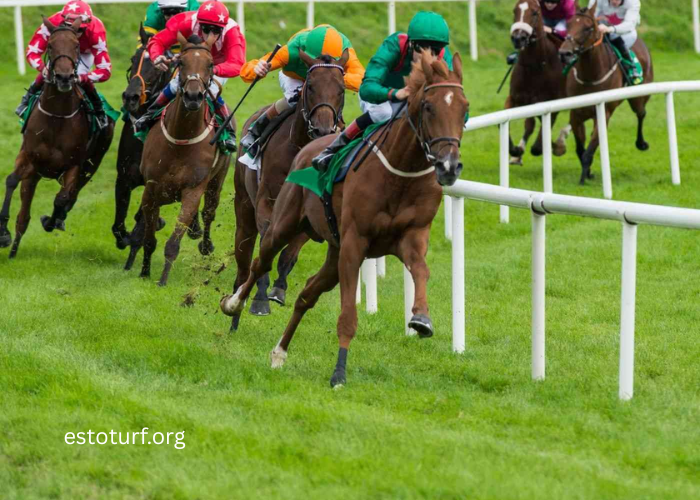
Turf racing, held on natural grass tracks, is one of the most elegant and strategic forms of horse racing. For beginners, understanding the basics of turf racing can make watching and enjoying the sport much more engaging. From track conditions to horse behavior and race strategy, knowing these essentials provides a solid foundation for anyone new to the sport.
Understanding Turf Tracks
Turf tracks are made of natural grass, which can vary in firmness depending on weather and maintenance. Terms like firm, good, soft, and heavy describe the track condition. A firm track is dry and fast, favoring speed, while soft or heavy tracks are slower and require greater stamina from the horse. Understanding track conditions is essential because horses often perform differently depending on the turf.
Horse Selection
Not every horse excels on turf. Certain breeds and individual horses have natural agility and balance suited to grass surfaces. Beginners should pay attention to a horse’s past performances on turf, as this is often a good indicator of future results. Trainers also choose horses based on adaptability, endurance, and experience with specific track conditions.
Role of the Jockey
Jockeys play a crucial role in turf racing. Unlike dirt tracks, turf racing often requires strategic positioning, pacing, and timing. Jockeys must know when to conserve a horse’s energy and when to push forward for a strong finish. Observing jockey tactics can help beginners understand how races unfold and why some horses succeed even without leading early.
Race Types
Turf races 4 tocards can vary in distance and format. Flat races are the most common and involve horses running a set distance without obstacles. Some turf events may include hurdles or fences, especially in regions with steeplechase traditions. Beginners should start by watching flat races to get a feel for pacing and race strategy before exploring more complex formats.
Studying Form and Statistics
Horse racing enthusiasts often review form guides and statistics to make informed predictions. Key details include a horse’s past performance on turf, finishing times, jockey success rate, and the trainer’s record. Even beginners can benefit from tracking simple metrics, such as how often a horse wins on soft or firm tracks.
Importance of Track Strategy
Turf races often emphasize strategy more than pure speed. Positioning is critical; horses may stay behind for much of the race before making a strong push in the final stretch. Watching how horses maneuver around others, follow the track’s contours, and respond to the jockey’s guidance is essential for understanding turf racing dynamics.
Observing the Environment
Crowd noise, weather, and other horses can all influence a turf race. Horses must remain focused despite distractions. Beginners should note how environmental factors, like rain or wind, affect race outcomes and horse behavior on turf surfaces.
Safety Considerations
Turf tracks are generally safer for horses than dirt tracks due to their softer surface, which reduces stress on joints and legs. However, weather and maintenance still play a role in safety. Being aware of track conditions helps beginners understand why races may be delayed or why certain horses are withdrawn.
Getting Started as a Fan
For beginners, the best way to learn is by observing races, studying horse profiles, and following key jockeys and trainers. Many turf races are available for viewing on television or streaming platforms, providing opportunities to learn about pacing, strategy, and track conditions.
Final Thoughts
Turf racing offers a unique combination of strategy, skill, and excitement. By understanding track conditions, horse suitability, jockey tactics, and race dynamics, beginners can enjoy the sport with greater insight. With experience, following turf races becomes not only entertaining but also intellectually engaging, revealing the nuances that make this form of horse racing so special.