
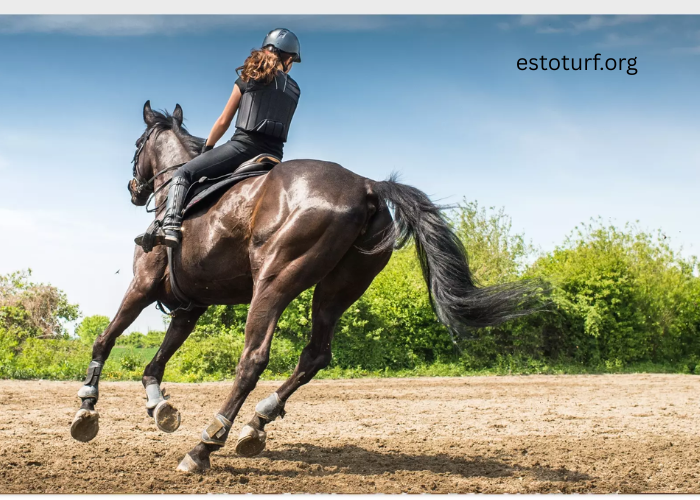
If you own horses or manage a stable you know that keeping the grass green is a never ending battle. It is not just about the aesthetics either. Good quality turf provides a safe and soft landing for those heavy hooves and it keeps the dust down which is great for everyone’s lungs. But man the water bills can really start to sting after a dry spell. I remember one summer where the ground got so hard and cracked it looked like a desert and my water meter was spinning faster than a top. That’s when I really started looking into rainwater harvesting as a way to take the pressure off my well and my wallet.
It sounds like a complicated technical term but rainwater harvesting is basically just catching what falls from the sky and saving it for a sunny day. When you have large barn roofs sitting there doing nothing they are actually massive funnels just waiting to be used. It is one of those things that makes you wonder why you didn’t start doing it years ago.
Why Rainwater is Better for Your Turf
Most of us just use tap water or well water without thinking twice about it. However rainwater is actually like a premium health drink for your grass. It is naturally soft and doesn’t contain the salts or minerals that can sometimes build up in soil over time when you use hard well water. Plus it usually has a slightly acidic pH level which most types of pasture grass absolutely love.
I have noticed that when I use stored rainwater the turf seems to bounce back a lot faster. It feels more vibrant. Because there isn’t any chlorine like you find in city water the beneficial microbes in the soil can really do their job. It’s like giving your pasture a natural boost without having to reach for a bag of chemical fertilizer every single month. Your horses will probably appreciate the better tasting grass too if they’re anything like the picky eaters I’ve known over the years.
Setting Up Your Collection System
The best part about starting out is that you don’t need a degree in engineering to get water from your roof to your turf. Most horse barns have a huge surface area which is perfect for this. You just need to make sure your gutters are in good shape and that they’re clear of old leaves and bird nests. If the gutters are clogged you’re just going to have a waterfall in the wrong place.
From the downspouts you can lead the water into storage tanks. Some people use those big plastic IBC totes because they are cheap and easy to find used. If you want something that looks a bit nicer you can get dedicated rain barrels or even large underground cisterns if you really want to go all out. I personally started with a couple of barrels just to see how it went and I was shocked at how quickly they filled up even during a light rain shower. It really makes you realize how much water we usually just let wash away into the mud.
Keeping the Water Clean and Safe
Since this water is going on the ground where your horses live and graze you do want to keep it relatively clean. You don’t need it to be drinkable for humans but you should definitely use some kind of screen or filter at the top of your tank. This keeps out the big stuff like twigs and bugs. I also highly recommend using a dark colored tank or covering it up to block out the sunlight.
If sunlight gets into the water you’ll end up with a giant tank of green algae soup which can clog up your hoses and sprinklers pretty fast. Another little trick in pmumalin derniere minute base incontournable quinte is to make sure your tanks are sealed well enough that mosquitoes can’t get in there to lay eggs. Nobody wants a swarm of bugs around the barn just because they wanted to save some water. A simple fine mesh over the intake usually does the trick perfectly fine.
Getting the Water to the Grass
Once you have all that lovely water sitting in a tank you have to figure out how to get it out to the turf. If your tanks are sitting uphill from your pasture you can sometimes just use gravity which is the best way because it costs exactly zero dollars in electricity. But for most of us a small pump is going to be necessary to get enough pressure for a sprinkler.
You can find simple submersible pumps that just drop into the tank or external ones that sit on the ground. I’ve found that using a slow drip system or a soaker hose works really well for smaller paddocks because it lets the water soak deep into the roots without much evaporation. If you’re trying to cover a large riding arena or a big turnout area you might need a bit more horsepower behind your pump. The key is to water in the early morning or late evening so that the sun doesn’t just bake the moisture away before the grass can even drink it up.
Thinking About the Long Term Benefits
It takes a little bit of effort and maybe a weekend or two of work to get everything hooked up but the payoff is so worth it. Not only are you saving money but you’re also becoming more self sufficient. If there’s a drought and the local authorities put a ban on using hosepipes you’ll be sitting pretty with your own private stash of water.
It also helps prevent erosion around your barn. Instead of all that roof runoff creating deep ruts in your driveway or flooding your stalls it’s being tucked away safely in a tank. It’s a win for the environment and a win for your property management. Whenever I see a storm cloud rolling in now I don’t just think about the mud I think about my tanks getting topped off for free.
A Simple Way to Help Your Land
At the end of the day we all want what is best for our horses and our land. Rainwater harvesting is just one of those practical old fashioned ideas that still works incredibly well in the modern world. It is satisfying to see the cycle of nature working in your favor and your turf will definitely show its appreciation by staying thick and resilient.
If you are on the fence about it just start small. Get one barrel and see how much you can collect from just one corner of your barn. You will probably be surprised at the results and before you know it you’ll be planning a bigger system to keep your entire property looking like a golf course. It’s a great feeling to know that the next time it pours you’re actually making an investment in your horse’s home.
 Michael K